The Amazing World of Animal Colors


Why Animal Colors Matter
Animal colors are a vital part of the natural world, playing a crucial role in the survival and communication of animals. From the bright plumage of birds to the vibrant scales of fish, animal colors are a key aspect of their behavior, ecology, and evolution. In this article, we'll delve into the world of animal colors and explore their importance, diversity, and fascinating examples.
One of the primary functions of animal colors is to provide camouflage and protection from predators. Many animals have evolved to blend in with their surroundings, making it difficult for predators to spot them. For example, the Arctic fox has white fur that turns brown in the summer, allowing it to blend in with the snow and rocks of its Arctic habitat. Other animals use bright colors to warn predators of their toxicity or distastefulness, such as the poison dart frog, which has bright colors that signal its toxicity to potential predators.
The Diversity of Animal Colors
Why Animal Colors Matter Animal colors also play a crucial role in communication and mating. Many animals use color to attract mates, signal dominance, or warn rivals. For example, the peacock's brightly colored tail feathers are a key part of its mating ritual, with the most colorful males attracting the most females. Similarly, the bright colors of the mandrill's face are a sign of dominance and attractiveness, with the most colorful individuals leading the troop.
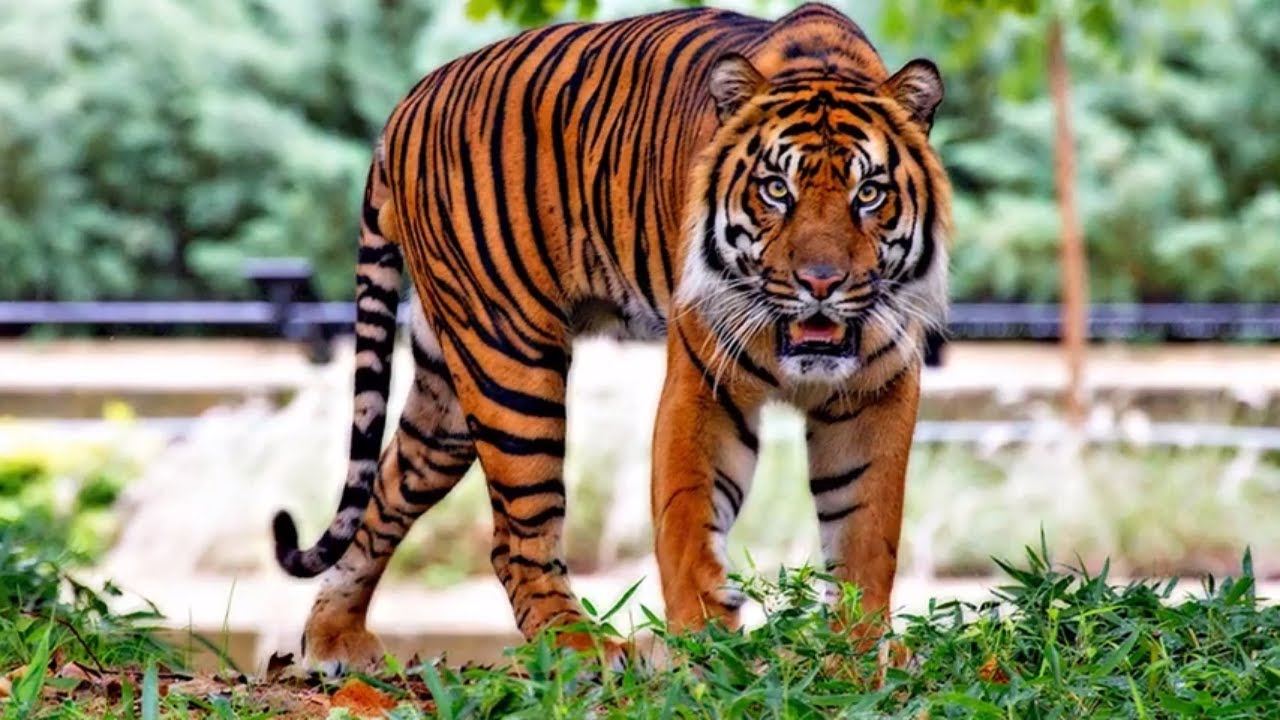
The Diversity of Animal Colors The diversity of animal colors is staggering, with different species exhibiting a wide range of colors and patterns. From the iridescent blues and greens of butterfly wings to the striking stripes of zebras, animal colors are a testament to the incredible complexity and beauty of the natural world. Whether it's for camouflage, communication, or mating, animal colors are an essential part of the animal kingdom, and their study continues to fascinate and inspire scientists and animal lovers alike.