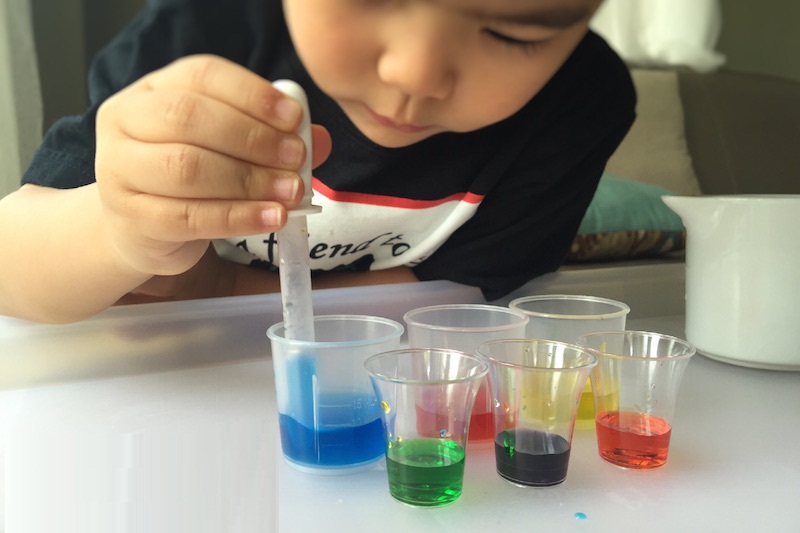
Color Mixing Activities For Kids: A Fun Way to Learn


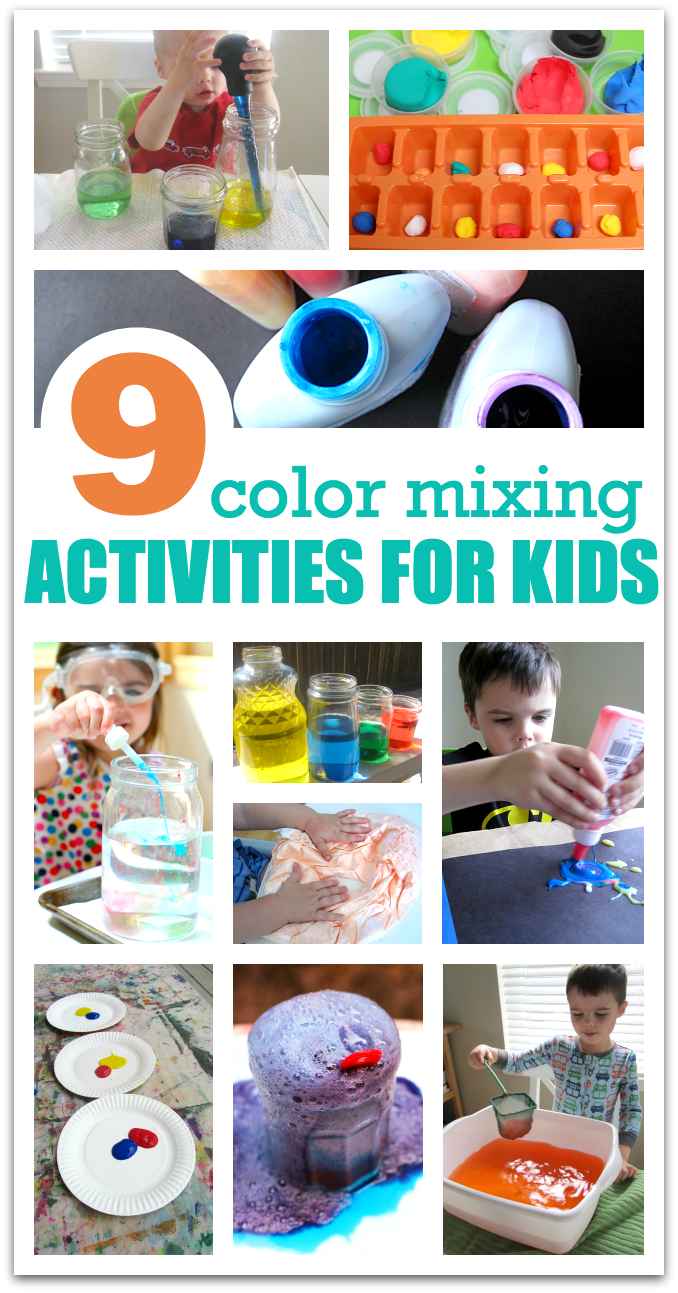
Introduction to Color Mixing
Color mixing activities are a great way to introduce kids to the world of art, science, and learning. These activities are not only fun but also educational, helping kids develop their problem-solving skills, hand-eye coordination, and creativity. With a few simple materials like paint, colored pencils, and paper, you can create a variety of color mixing activities that will keep your kids engaged and excited to learn.
One of the simplest color mixing activities is to mix two primary colors - red, blue, and yellow - to create secondary colors like green, orange, and purple. You can use paint, colored pencils, or even food coloring to demonstrate this concept. For example, mixing blue and yellow paint creates the color green. This activity helps kids understand the basics of color theory and how different colors interact with each other.
Benefits of Color Mixing Activities
Color mixing activities can be adapted to suit different age groups and skill levels. For younger kids, you can start with simple activities like mixing two colors to create a new shade. For older kids, you can introduce more complex concepts like color gradation, tint, and shade. You can also incorporate other subjects like math and science into color mixing activities, making them a great way to learn across disciplines.
In addition to being fun and educational, color mixing activities have several benefits for kids. They help develop fine motor skills, hand-eye coordination, and problem-solving abilities. Color mixing activities also encourage creativity, self-expression, and critical thinking. By providing kids with a variety of materials and activities, you can help them develop a love for learning and a appreciation for the arts and sciences. With color mixing activities, the possibilities are endless, and the learning is limitless.