Emotion Activities For Toddlers: Helping Little Ones Understand and Manage Their Feelings
Recognizing and Identifying Emotions
Toddlers are constantly learning and absorbing information from their surroundings. One crucial aspect of their development is understanding and managing their emotions. Emotion activities for toddlers can help them develop emotional intelligence, which is essential for building strong relationships, achieving academic success, and maintaining good mental health. At this stage, toddlers are beginning to recognize and express their emotions, but they often struggle to understand and manage them. As a parent or caregiver, you can play a significant role in helping your little one develop emotional intelligence through fun and engaging activities.
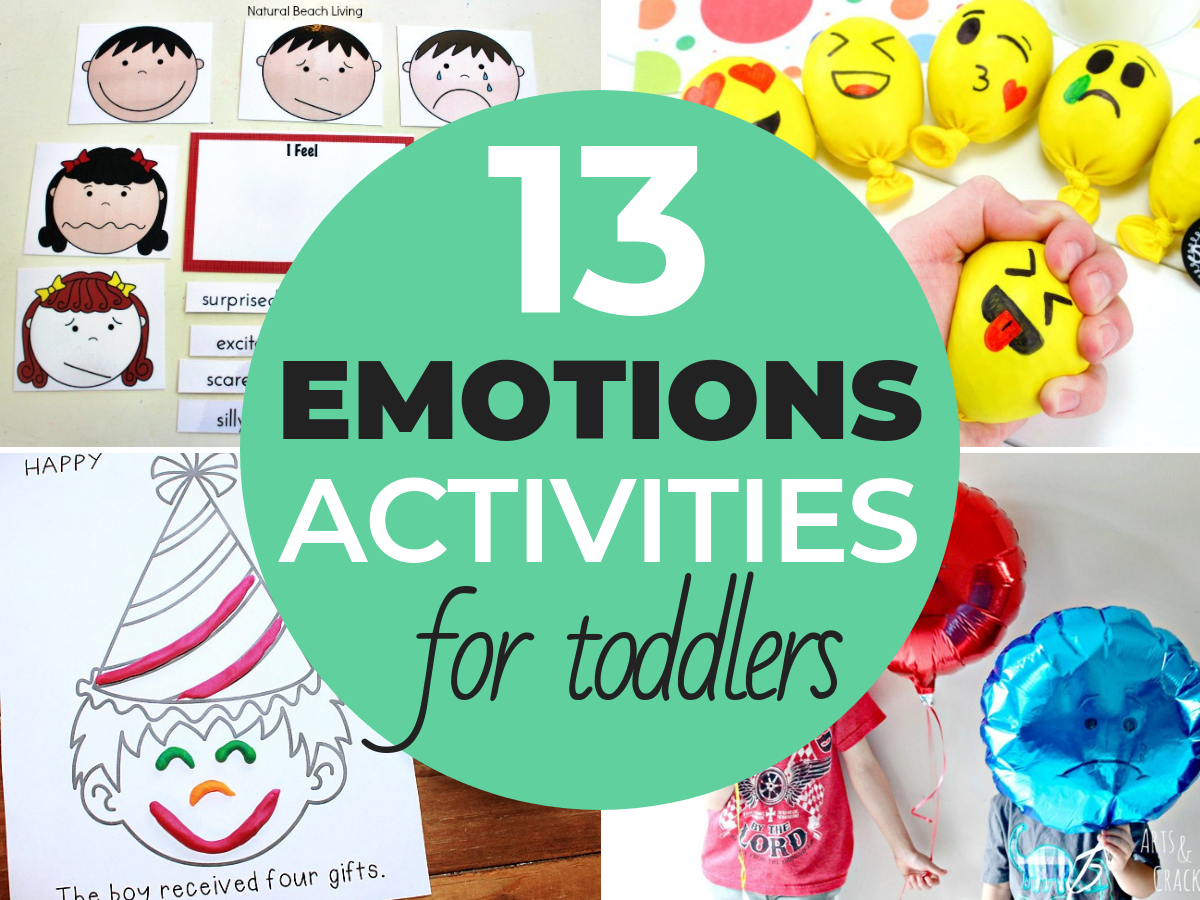
Emotion activities for toddlers can be simple yet effective. For instance, you can create a feelings chart with different facial expressions and ask your child to identify how they are feeling. You can also read books together that explore various emotions, such as happiness, sadness, and anger. Another activity is to role-play different scenarios, like sharing toys or taking turns, to help your child understand and manage their emotions in a safe and supportive environment.
Developing Emotional Intelligence through Play
As toddlers begin to recognize and identify emotions, they can start to develop a vocabulary to express their feelings. You can help your child by labeling their emotions, such as 'You seem really happy right now!' or 'I can see that you're feeling sad.' This helps your child develop an emotional vocabulary and understand that it's okay to express their feelings. You can also encourage your child to recognize and identify emotions in others, such as 'How do you think your friend is feeling?' or 'What do you think made your friend happy?'
Play is an essential part of a toddler's life, and it can be a powerful tool for developing emotional intelligence. Through play, your child can experiment with different emotions and learn how to manage them in a safe and supportive environment. For example, you can set up a pretend play scenario where your child has to share a toy with a friend, or take turns on a swing. You can also encourage your child to engage in activities that promote empathy, such as caring for a stuffed animal or doll. By providing your child with opportunities to develop emotional intelligence through play, you can help them build a strong foundation for future social and emotional success.