Evaluating Functions Worksheet Algebra 1: A Comprehensive Guide
Understanding Function Evaluation
Evaluating functions is a fundamental concept in Algebra 1, and it's essential to understand how to do it correctly. A function is a relation between a set of inputs, called the domain, and a set of possible outputs, called the range. When evaluating a function, you need to find the output value for a given input value. This can be done using a function table, graph, or equation. In this article, we'll provide a comprehensive guide on evaluating functions, including concepts, examples, and practice problems.
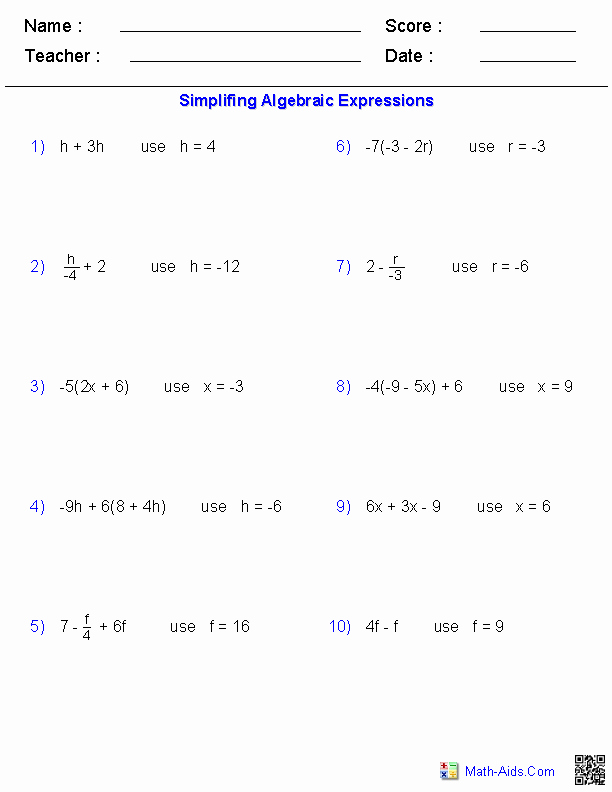
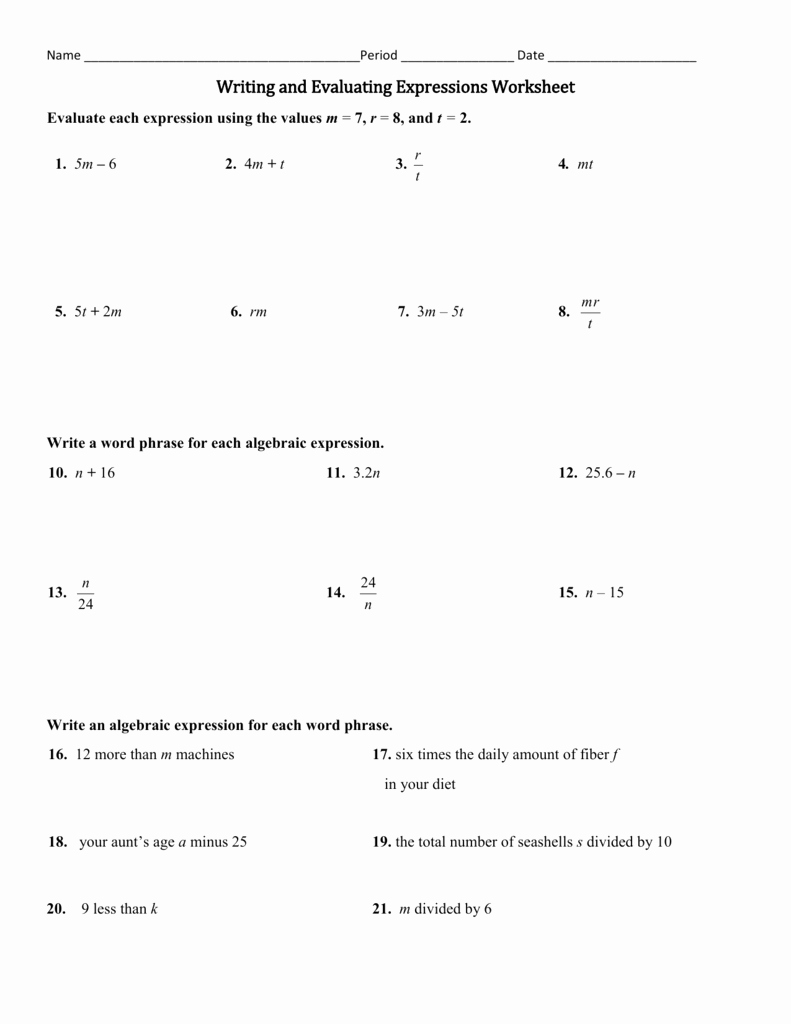
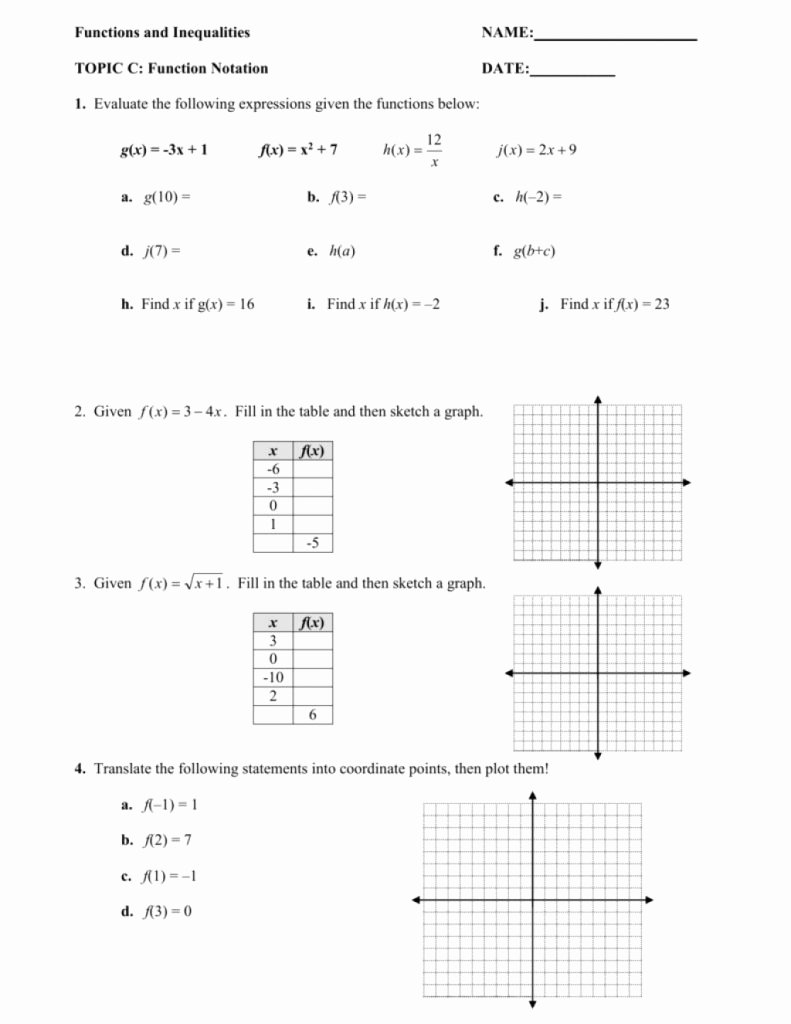
To evaluate a function, you need to substitute the input value into the function equation and simplify. For example, if you have a function f(x) = 2x + 3, and you want to find the output value for x = 4, you would substitute x = 4 into the equation and get f(4) = 2(4) + 3 = 8 + 3 = 11. This means that the output value for x = 4 is 11. You can also use a function table or graph to evaluate a function, but using the equation is often the most straightforward method.
Practice Problems and Examples
Evaluating functions is a crucial skill in Algebra 1, and it's used in a variety of applications, including science, engineering, and economics. By mastering function evaluation, you'll be able to solve problems involving linear, quadratic, and other types of functions. You'll also be able to analyze and interpret function graphs, which is essential for understanding complex relationships between variables. In the next section, we'll provide some practice problems and examples to help you reinforce your understanding of function evaluation.
Now that you've learned the basics of function evaluation, it's time to practice. Here are a few examples to get you started: Evaluate the function f(x) = x^2 + 2x - 3 for x = 2. Evaluate the function g(x) = 3x - 2 for x = 5. You can use the concepts and techniques learned in this article to solve these problems. Remember to substitute the input value into the function equation and simplify to find the output value. With practice and patience, you'll become proficient in evaluating functions and be able to tackle more complex problems in Algebra 1.