The Fascinating History of 3D Printing


Early Beginnings: The First 3D Printing Technologies
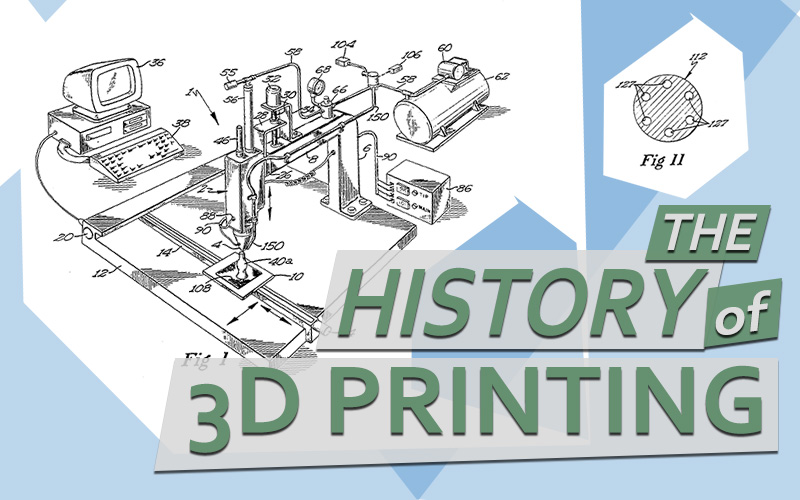
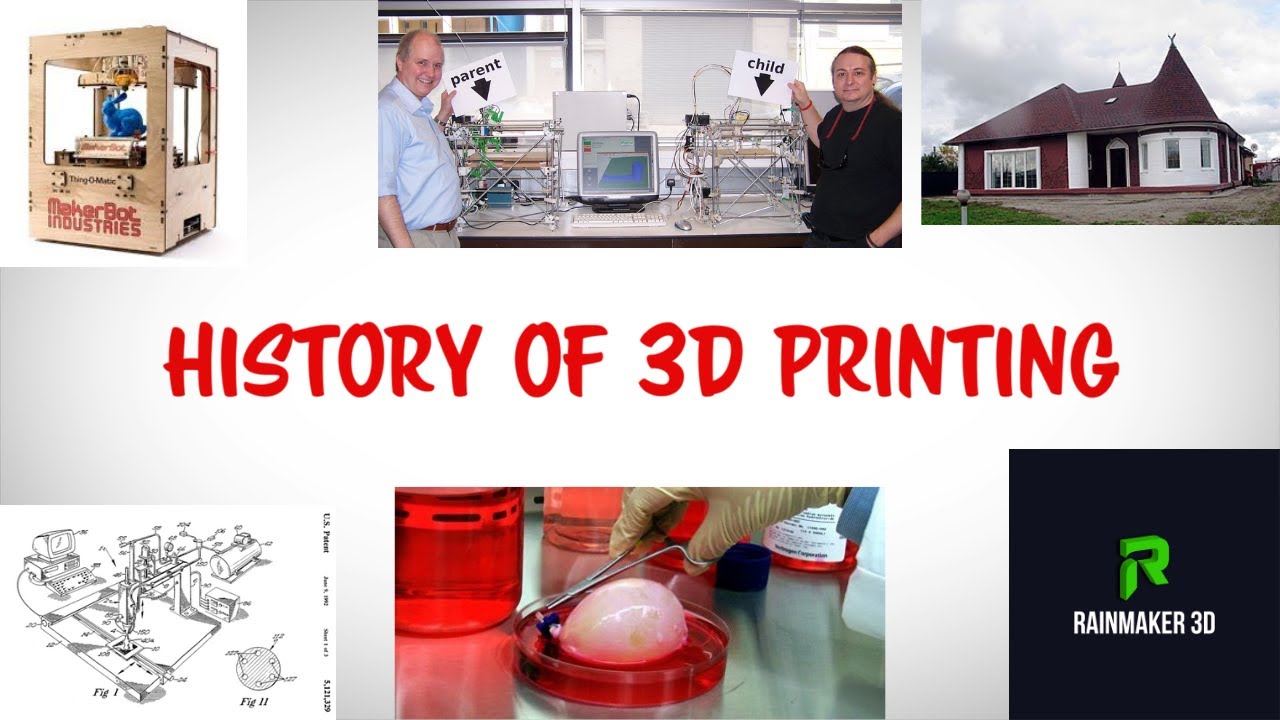
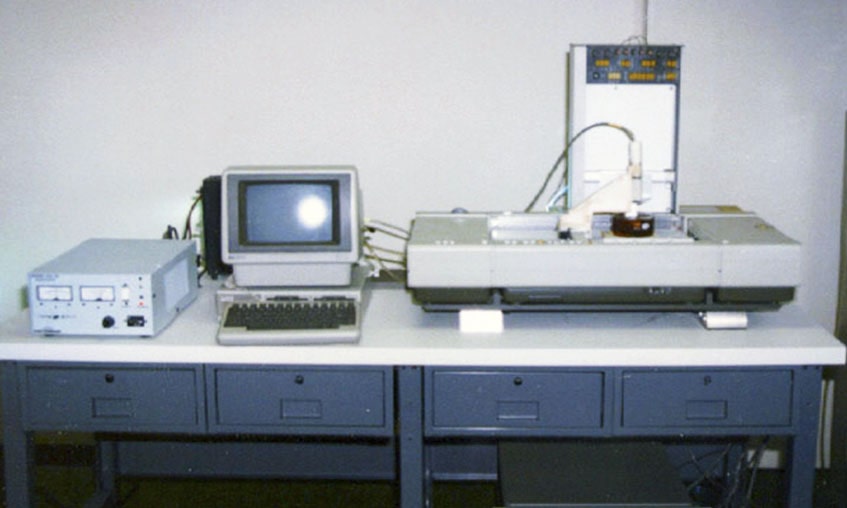
The history of 3D printing is a story of innovation and experimentation, spanning several decades. The concept of creating three-dimensional objects from digital models dates back to the 1960s, when Japanese researcher Hideo Kodama proposed a method for printing three-dimensional plastic models. However, it wasn't until the 1980s that the first 3D printing technologies were developed, including stereolithography (SLA) and fused deposition modeling (FDM).
These early technologies paved the way for the development of more advanced 3D printing methods, including selective laser sintering (SLS) and inkjet-based printing. As the technology improved, 3D printing began to be used in various industries, such as aerospace, automotive, and healthcare. The ability to create complex geometries and customized products quickly and efficiently made 3D printing an attractive option for companies looking to reduce production time and costs.
Modern Advances: How 3D Printing Has Revolutionized Industries
The first 3D printing technologies were often cumbersome and expensive, limiting their accessibility to large corporations and research institutions. However, with the rise of open-source 3D printing platforms and affordable DIY kits, the technology has become more democratized, enabling hobbyists, entrepreneurs, and small businesses to explore its potential. Today, 3D printing is used in a wide range of applications, from prototyping and production to art and education.
As 3D printing continues to evolve, we can expect to see even more innovative applications and advancements in the field. With the integration of artificial intelligence, machine learning, and the Internet of Things (IoT), 3D printing is poised to play a significant role in shaping the future of manufacturing, healthcare, and other industries. Whether you're a seasoned expert or just starting to explore the world of 3D printing, one thing is clear: this technology has come a long way and will continue to revolutionize the way we design, produce, and interact with the world around us.