The Basics of Bingo Card Numbering: A Guide

Understanding the Bingo Card Layout
Bingo is a game of chance that has been entertaining people for decades. The game's simplicity and excitement have made it a favorite among people of all ages. At the heart of the game is the bingo card, which is numbered according to a specific pattern. But have you ever wondered how bingo cards are numbered? In this article, we'll delve into the world of bingo and explore the logic behind the numbering system.
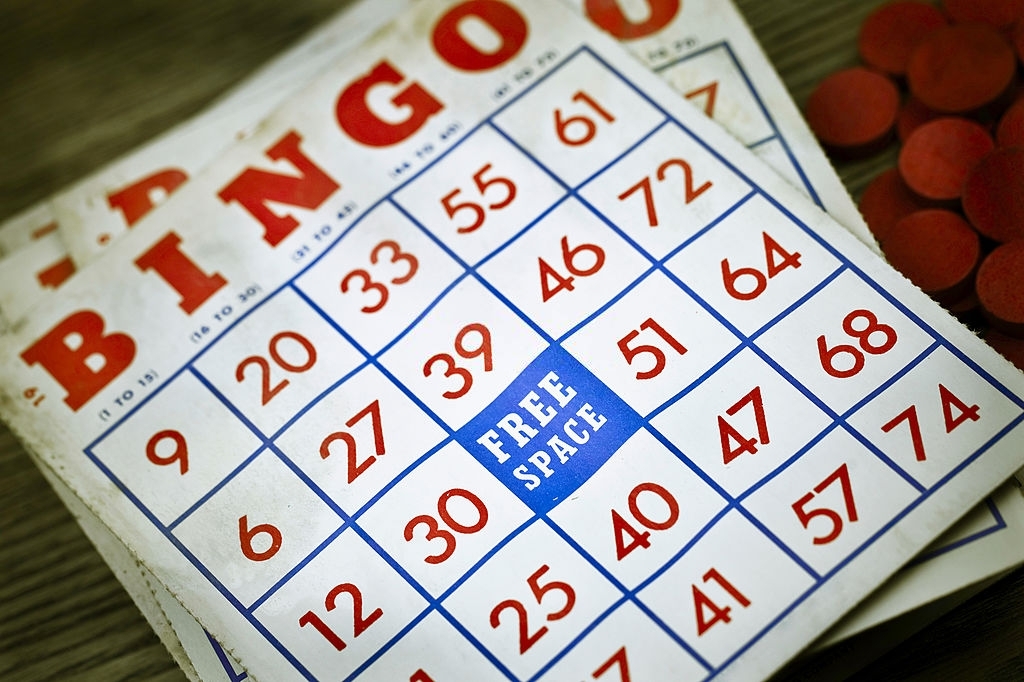
The standard bingo card consists of a 5x5 grid, with each square containing a number. The numbers are arranged in a specific pattern, with the first column containing numbers 1-15, the second column containing numbers 16-30, and so on. The center square is usually marked as 'free' and is considered a wild card. The numbering system is designed to ensure that each card is unique and that the game is fair for all players.
The Numbering Pattern Explained
The bingo card layout is carefully designed to ensure that the game is exciting and unpredictable. The numbers are randomly assigned to each square, but the pattern remains the same. The first column contains numbers 1-15, the second column contains numbers 16-30, the third column contains numbers 31-45, the fourth column contains numbers 46-60, and the fifth column contains numbers 61-75. This pattern ensures that each card has a unique combination of numbers, making the game exciting and challenging.
The numbering pattern is designed to ensure that each card has an equal chance of winning. The pattern is carefully crafted to distribute the numbers evenly across the card, making it impossible to predict which numbers will be called next. The numbering system is also designed to ensure that each game is unique, with a different set of numbers being called each time. Whether you're a seasoned bingo player or just starting out, understanding the numbering pattern can enhance your gaming experience and make the game more enjoyable.