
Exploring the Life Cycle of Ants: A Printable Guide
Introduction to the Life Cycle of Ants
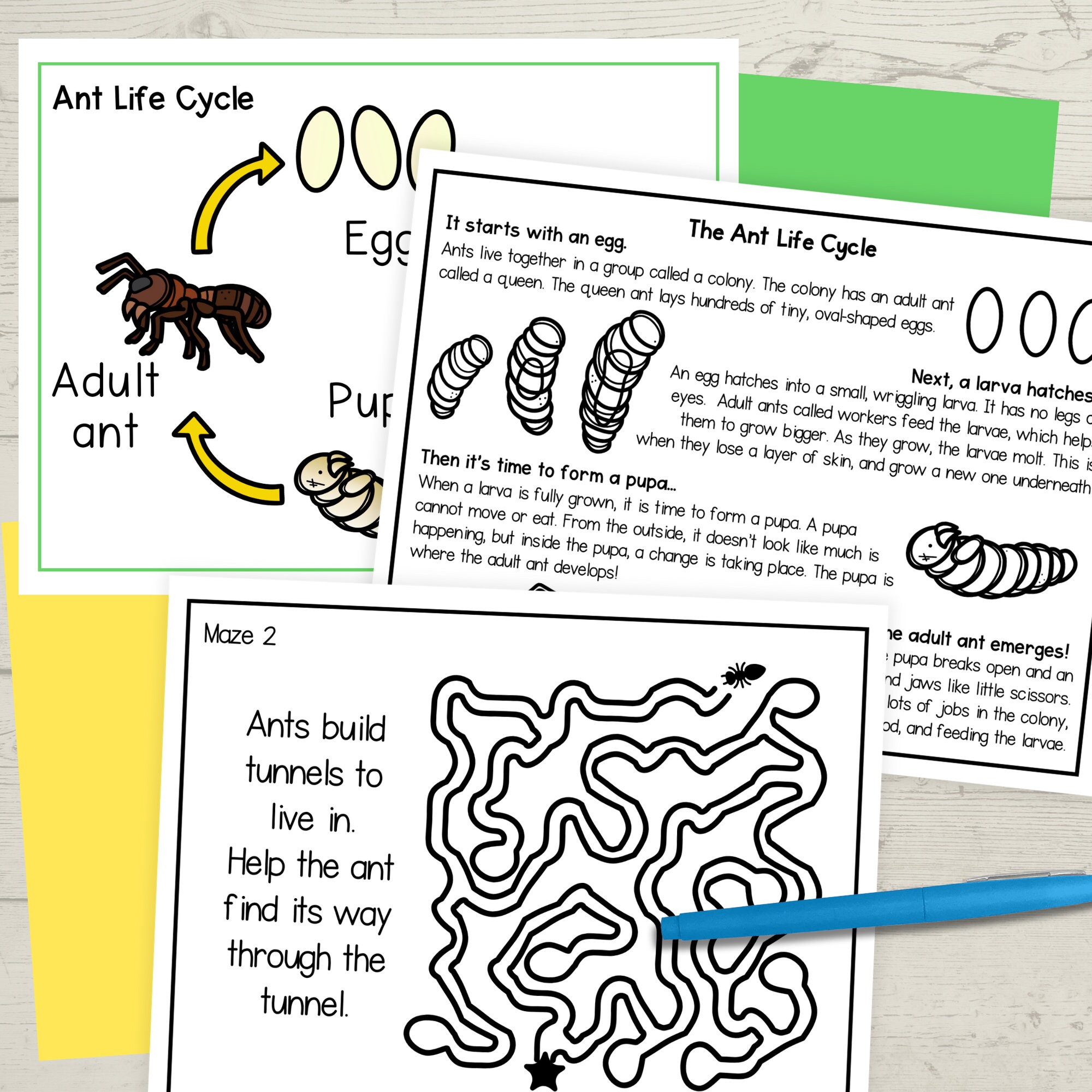
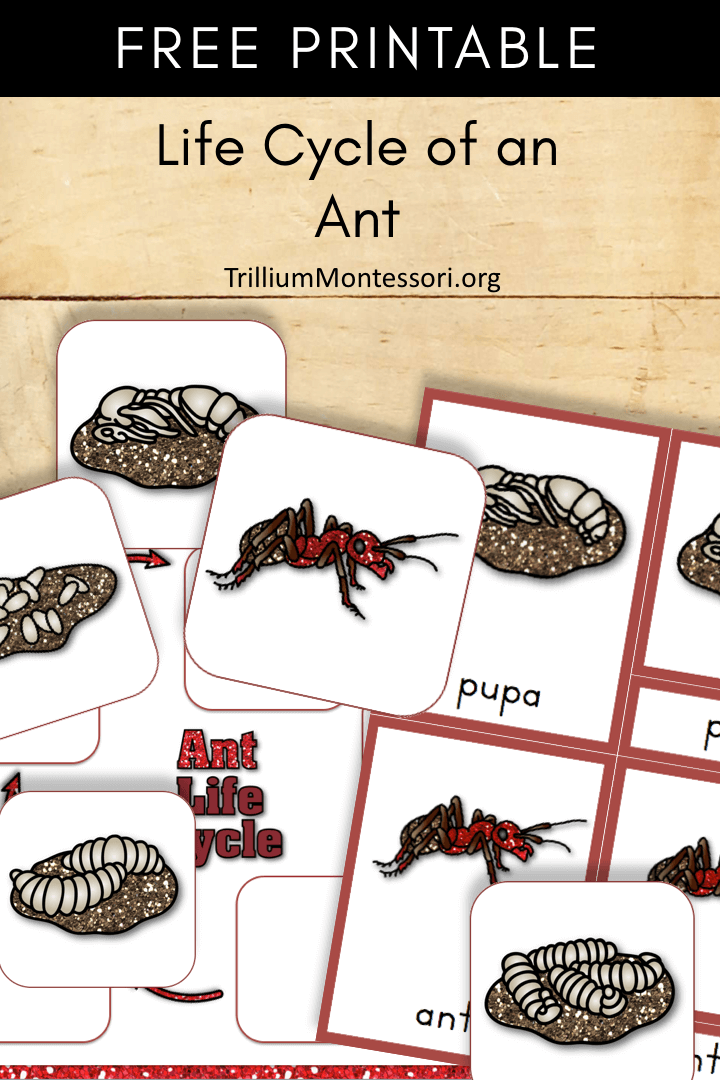
The life cycle of ants is a complex and fascinating process that involves several stages. From egg to adult, ants undergo a series of transformations that prepare them for their roles in the colony. Understanding the life cycle of ants can provide valuable insights into the social structure and behavior of these insects. With our printable guide, you can easily follow the different stages of an ant's life and learn more about these incredible creatures.
Ants are eusocial insects, which means they live in highly organized colonies with distinct castes. The life cycle of ants typically begins with eggs, which are laid by the queen ant. The eggs hatch into larvae, which are fed and cared for by worker ants. As the larvae grow, they undergo a series of molts, eventually becoming pupae. Inside the pupal stage, the ant undergoes a dramatic transformation, emerging as a fully formed adult ant.
Stages of an Ant's Life Cycle
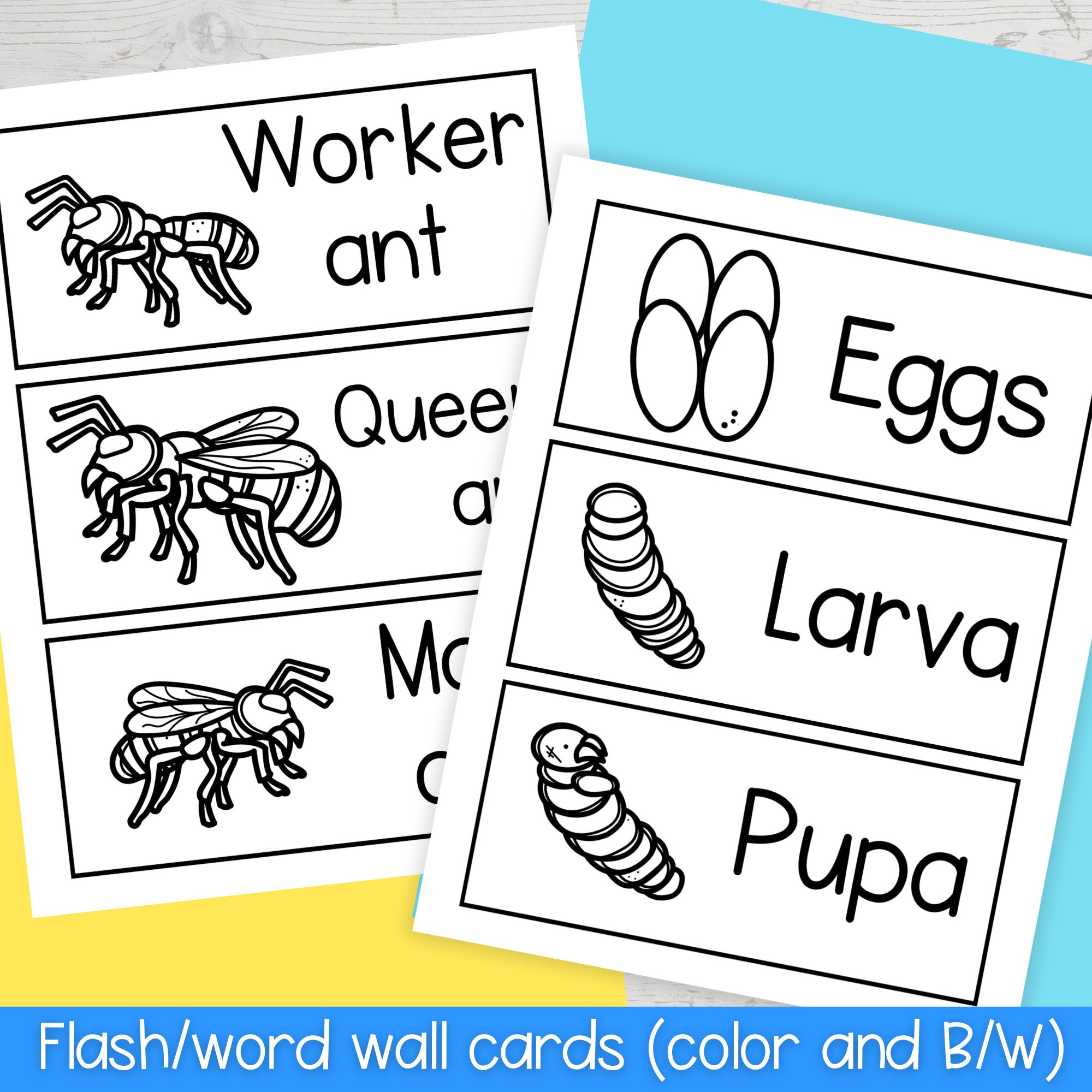
The life cycle of ants can be divided into four main stages: egg, larva, pupa, and adult. Each stage plays a critical role in the development and survival of the colony. The queen ant is responsible for laying eggs, which can number in the thousands. The eggs are typically white, oval-shaped, and about 0.5 mm in length. After the eggs hatch, the larvae emerge and begin to feed on food regurgitated by worker ants.
As ants progress through the different stages of their life cycle, they become increasingly specialized. Worker ants, which are female, take on a variety of roles, including foraging, caring for young, and defending the colony. Male ants, also known as drones, have only one purpose: to mate with the queen. Our printable guide provides a detailed overview of the life cycle of ants, including illustrations and descriptions of each stage. By printing out our guide, you can easily learn about the life cycle of ants and appreciate the complexity and sophistication of these incredible insects.