Nepali Alphabet in English: A Comprehensive Guide
Introduction to the Nepali Alphabet
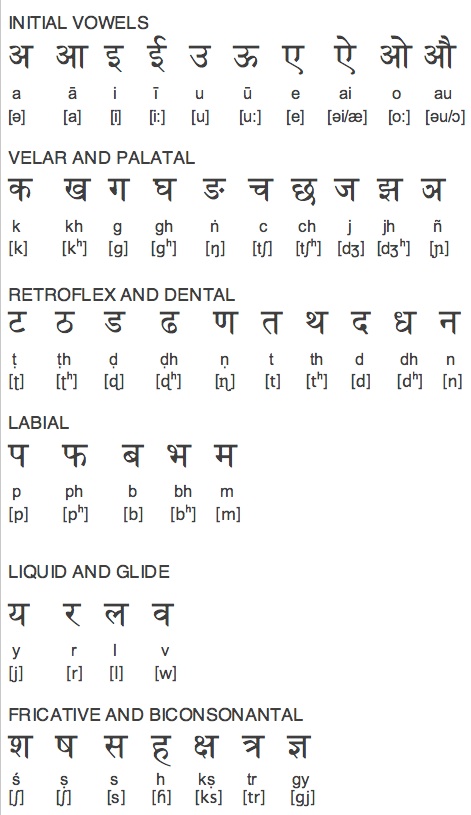
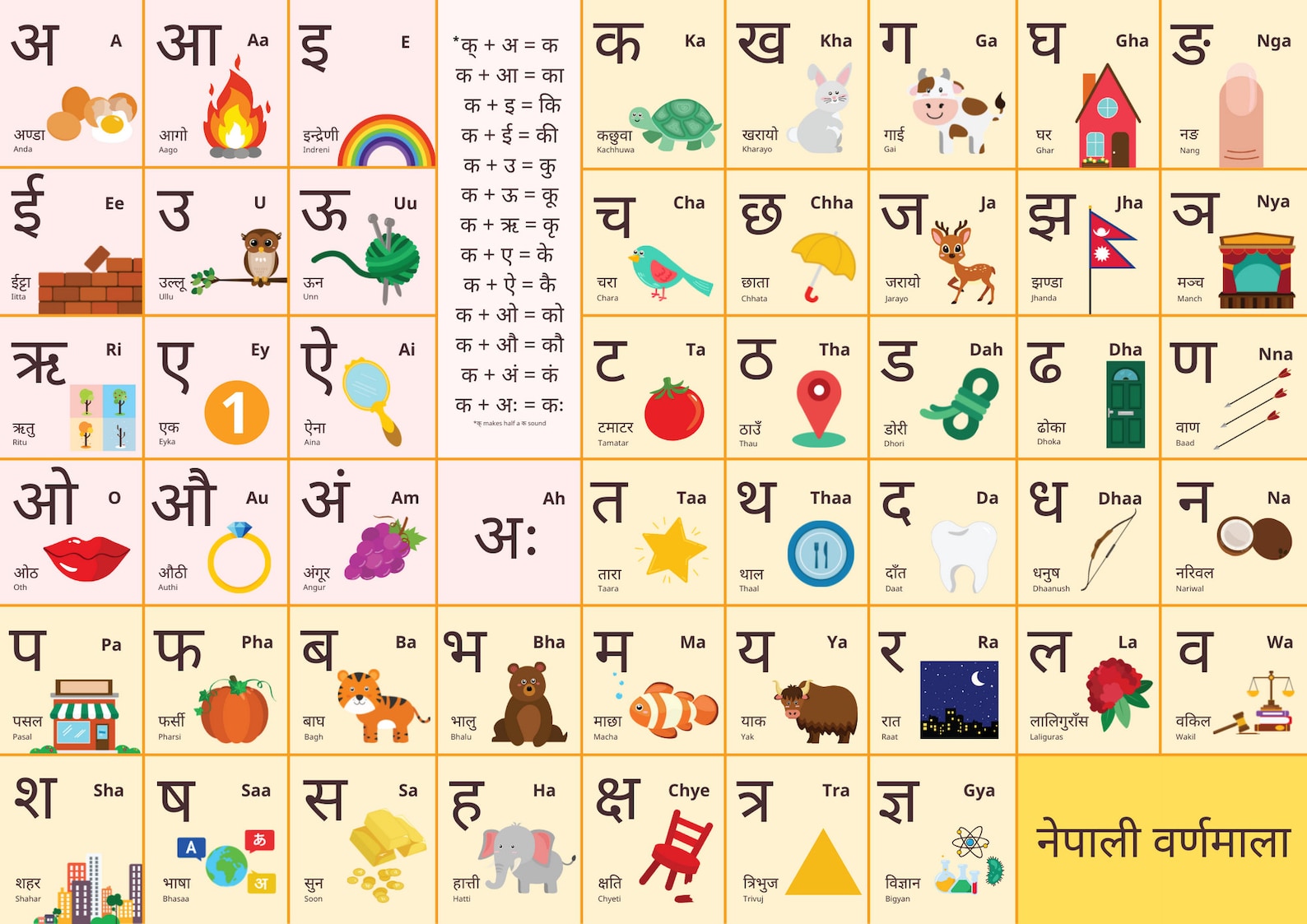
The Nepali alphabet, also known as the Devanagari script, is used to write the Nepali language. It consists of 47 primary letters, including 14 vowels and 33 consonants. The Nepali alphabet is written from left to right, and it is an abugida, meaning that each consonant has an inherent vowel sound.
The Nepali alphabet has a unique set of letters that are distinct from the English alphabet. However, with the help of transliteration, Nepali words can be written using the English alphabet. This is useful for communicating with people who are not familiar with the Devanagari script. The most common system used for transliterating Nepali into English is the Romanization of Nepali.
Pronunciation and Usage of Nepali Letters
The Nepali alphabet is a phonetic script, meaning that each letter represents a distinct sound. The script is also highly consistent, with each letter having a unique shape and sound. The Nepali alphabet is used not only to write Nepali but also other languages such as Hindi, Marathi, and Sanskrit. The script has a rich history and has evolved over time, with the modern version being used in Nepal and other parts of the world.