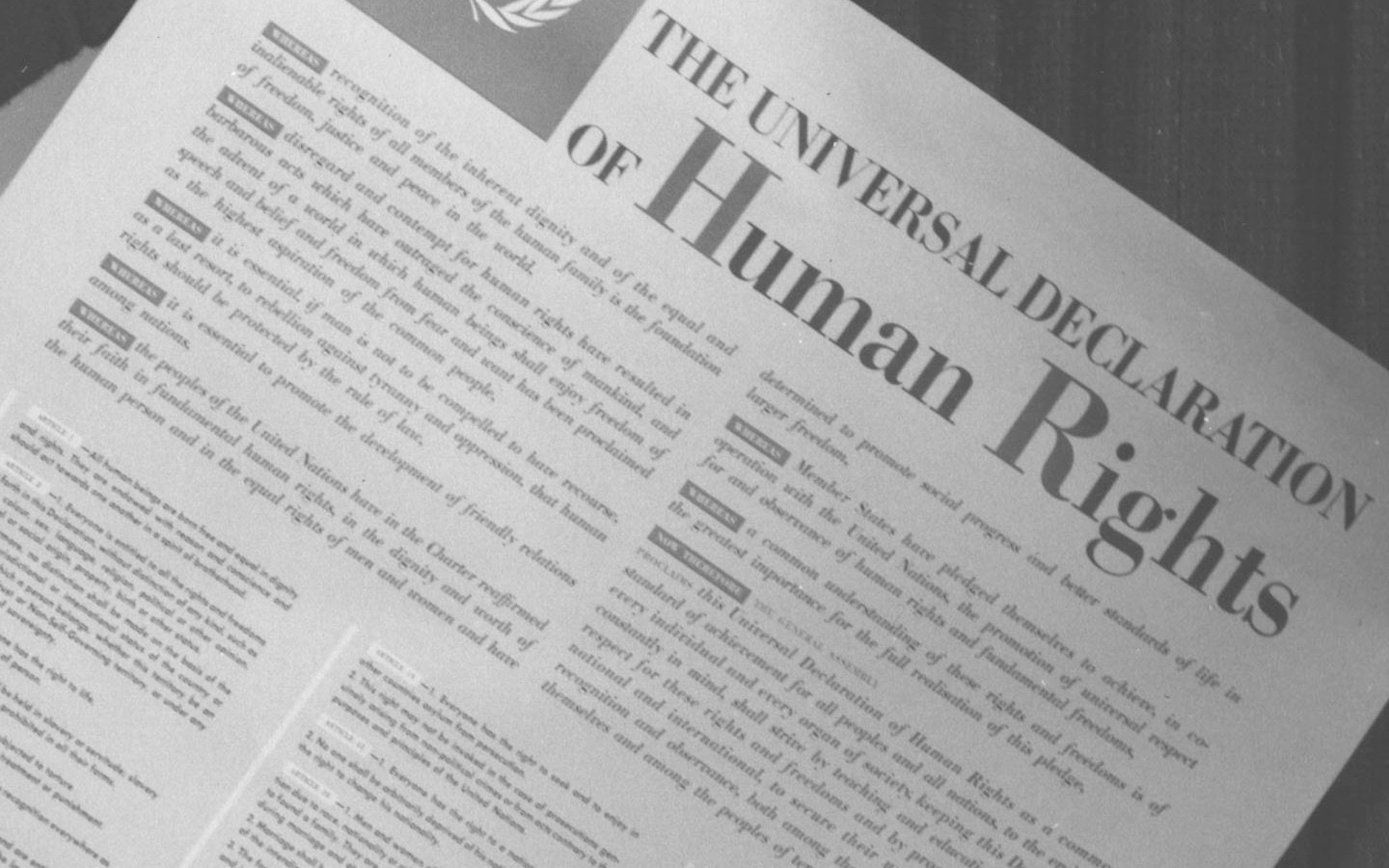
Understanding and Accessing the Printable Universal Declaration of Human Rights


Introduction to the Universal Declaration of Human Rights
The Universal Declaration of Human Rights (UDHR) is a milestone document in the history of human rights. Drafted by representatives with different legal and cultural backgrounds from all regions of the world, the Declaration was proclaimed by the United Nations General Assembly in Paris on December 10, 1948. It sets out, for the first time, fundamental human rights to be universally protected and respected. The UDHR is a powerful tool in the fight for human rights and has been translated into over 500 languages, making it one of the most translated documents in the world.
The significance of the UDHR cannot be overstated. It has inspired numerous national and international human rights laws and has had a profound influence on the development of international human rights law. The Declaration emphasizes the inherent dignity and the equal and inalienable rights of all members of the human family, which is the foundation of freedom, justice, and peace in the world. Its principles and provisions have been the basis for social movements and advocacy for human rights across the globe.
Accessing a Printable Version
The UDHR consists of a preamble and 30 articles that enunciate a broad range of fundamental rights and freedoms. These include the right to life, liberty, and security; freedom from slavery and torture; freedom of opinion and expression; the right to education; and many more. The Declaration is not a legally binding document but has moral and political weight, encouraging nations to apply its principles and to develop their own human rights laws and policies. Despite its non-binding nature, the UDHR has been incredibly influential, shaping international law and serving as a standard for evaluating the human rights performance of countries.
For individuals, organizations, and governments looking to promote human rights awareness, accessing a printable version of the Universal Declaration of Human Rights can be a valuable resource. Many organizations, including the United Nations, offer downloadable and printable versions of the UDHR in various languages. These can be used in educational settings, community events, and awareness campaigns. Having a physical copy of the Declaration can serve as a reminder of the fundamental rights that all human beings are entitled to, regardless of their nationality, ethnicity, color, religion, sex, language, political or other opinion, national or social origin, property, birth, or other status.