Solve Equations Worksheet: A Comprehensive Guide to Mastering Math Problems
Understanding the Basics of Equations
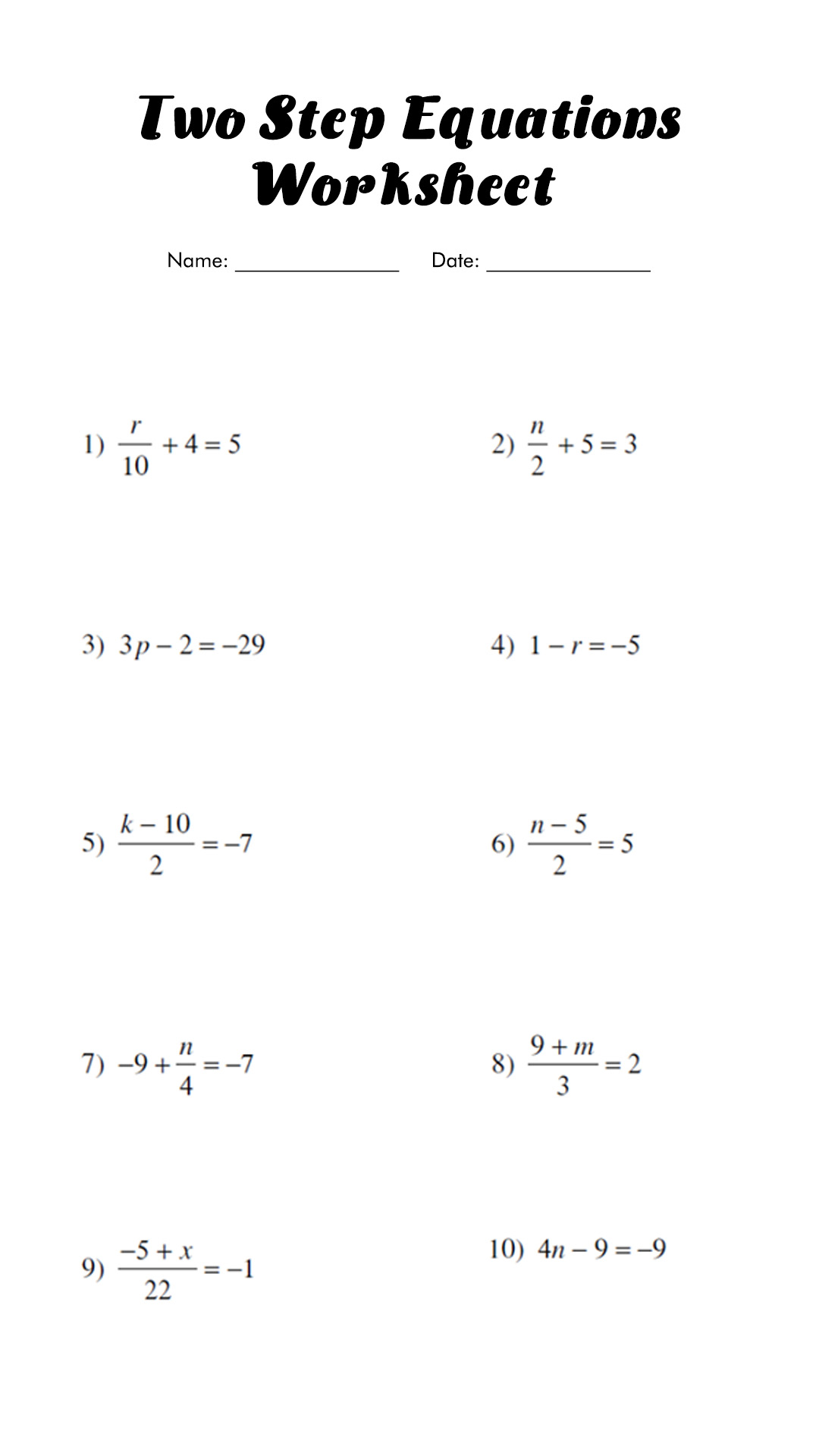
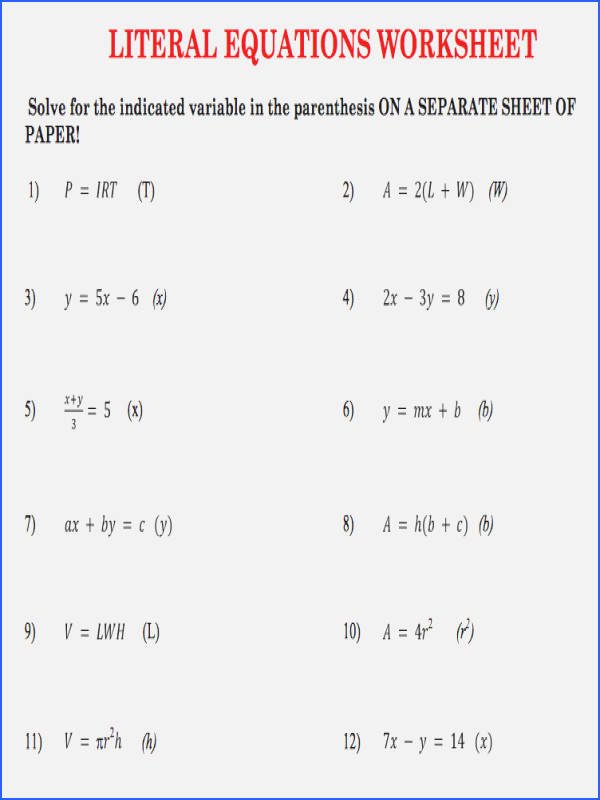
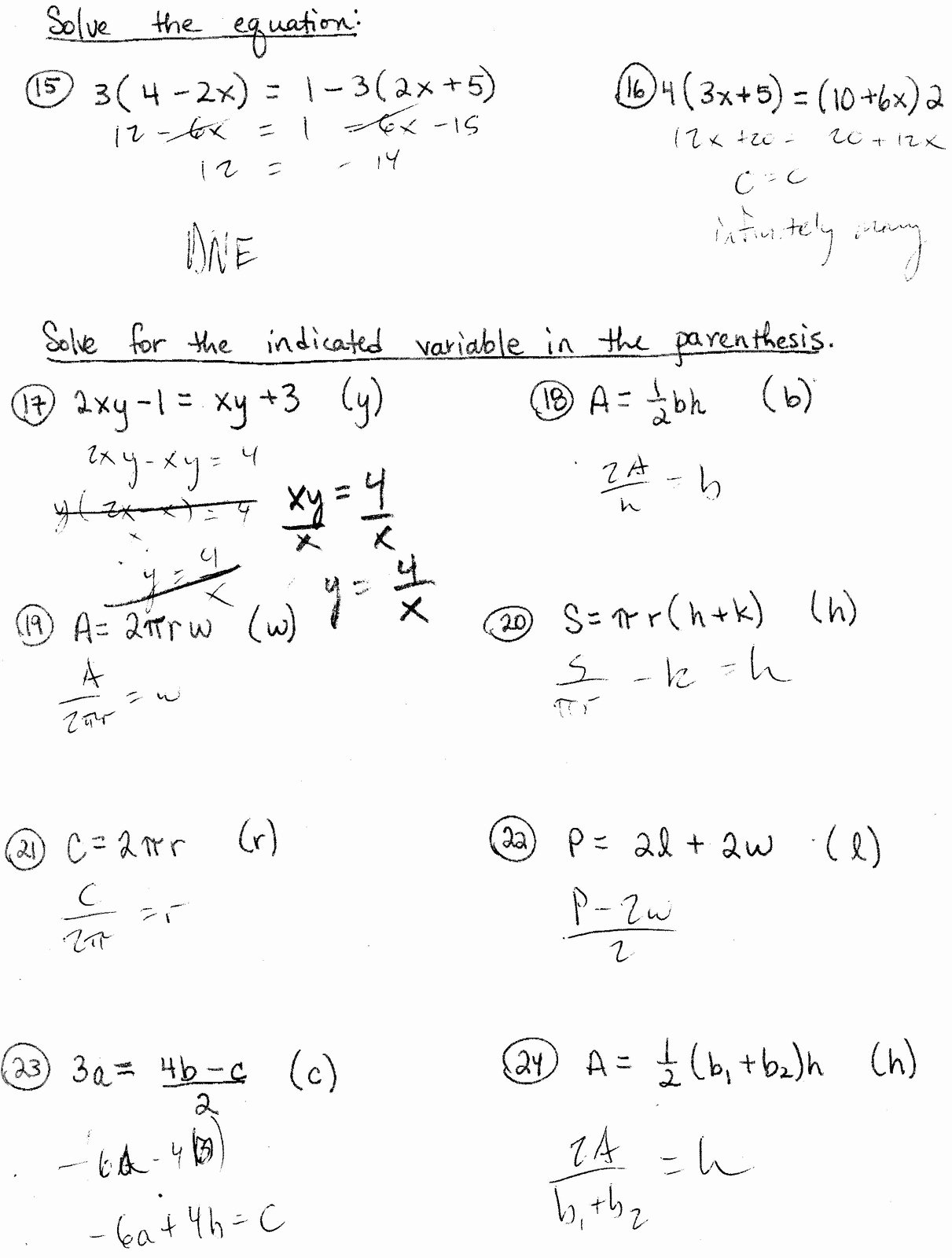
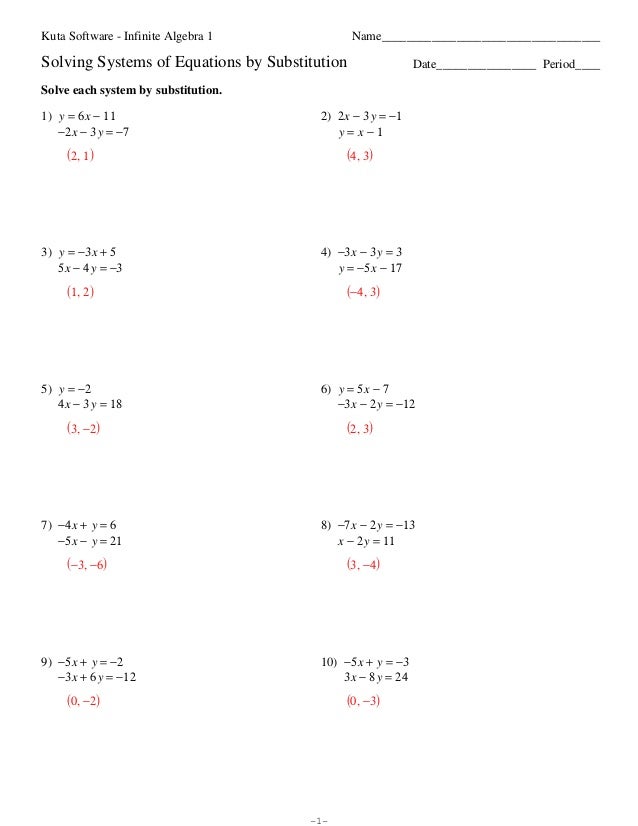
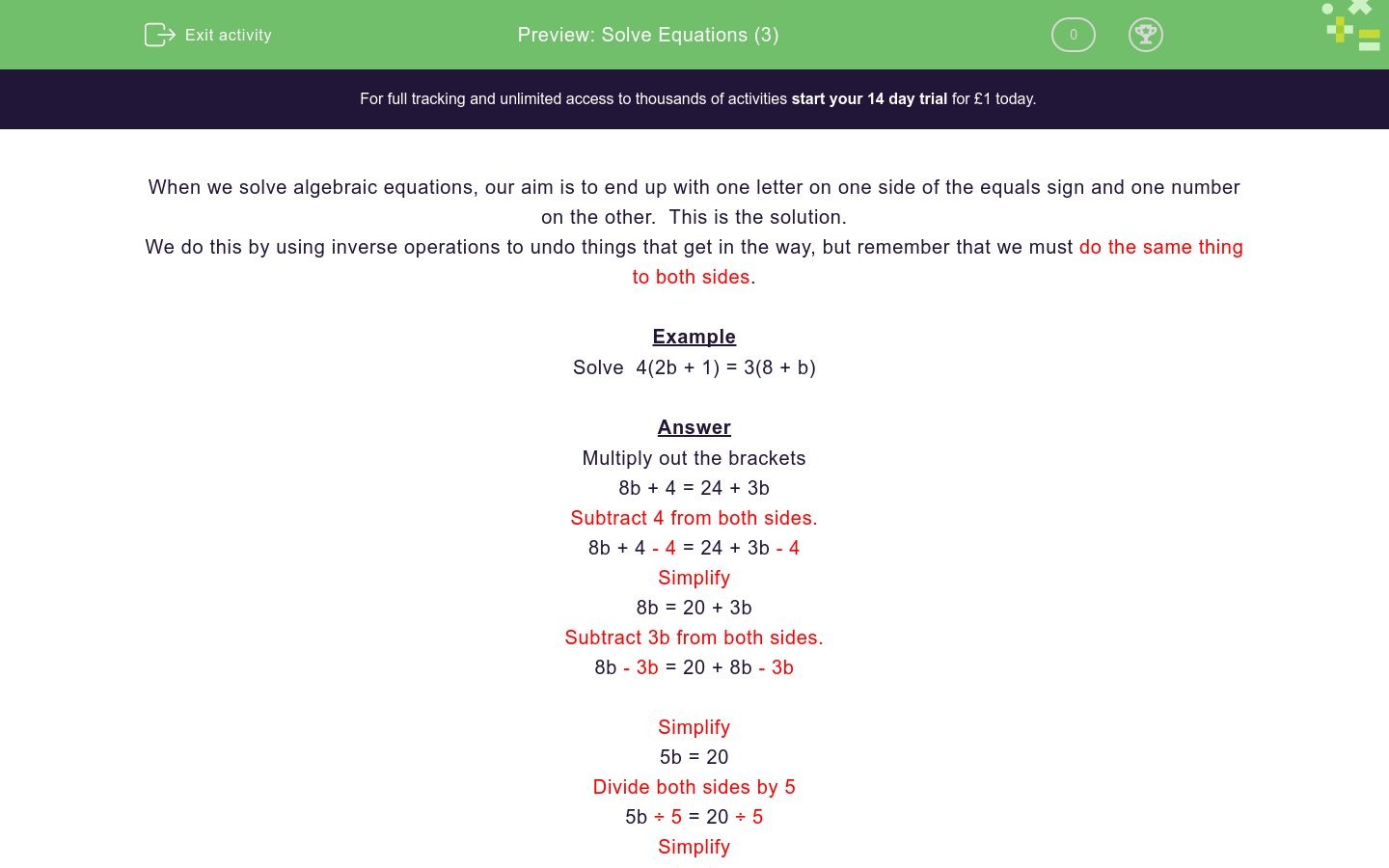
Solving equations is a fundamental concept in mathematics that can seem daunting at first, but with practice and patience, it can become second nature. An equation is a statement that expresses the equality of two mathematical expressions, often containing variables. To solve an equation, you need to isolate the variable, which means getting it by itself on one side of the equation. This can be achieved by performing various operations such as addition, subtraction, multiplication, or division on both sides of the equation.
One of the most common types of equations is linear equations, which can be written in the form of ax + b = c, where a, b, and c are constants. To solve a linear equation, you can use basic algebraic operations such as adding or subtracting the same value to both sides of the equation, or multiplying or dividing both sides by the same value. For example, if you have the equation 2x + 3 = 7, you can subtract 3 from both sides to get 2x = 4, and then divide both sides by 2 to get x = 2.
Tips and Tricks for Solving Equations
When it comes to solving equations, it's essential to understand the basics of algebra and how to manipulate variables. Start by identifying the type of equation you're dealing with, whether it's linear, quadratic, or polynomial. Then, use the appropriate techniques to isolate the variable. For instance, if you're dealing with a quadratic equation in the form of ax^2 + bx + c = 0, you can use factoring, the quadratic formula, or graphing to find the solutions. With practice, you'll become more comfortable with solving equations and be able to tackle more complex problems with ease.
To become proficient in solving equations, it's crucial to practice regularly and use a variety of resources, such as worksheets, online tutorials, and math games. Start with simple equations and gradually move on to more complex ones. You can also use mental math tricks, such as multiplying or dividing both sides of the equation by a specific value to eliminate fractions or decimals. Additionally, make sure to check your work by plugging the solution back into the original equation to ensure it's true. With persistence and dedication, you'll master the art of solving equations and improve your overall math skills.