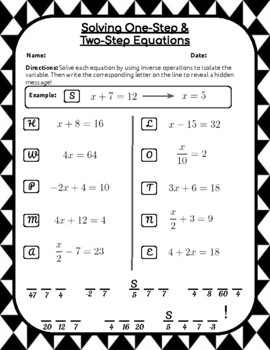
Mastering Math: Solving One Step and Two Step Equations Worksheet
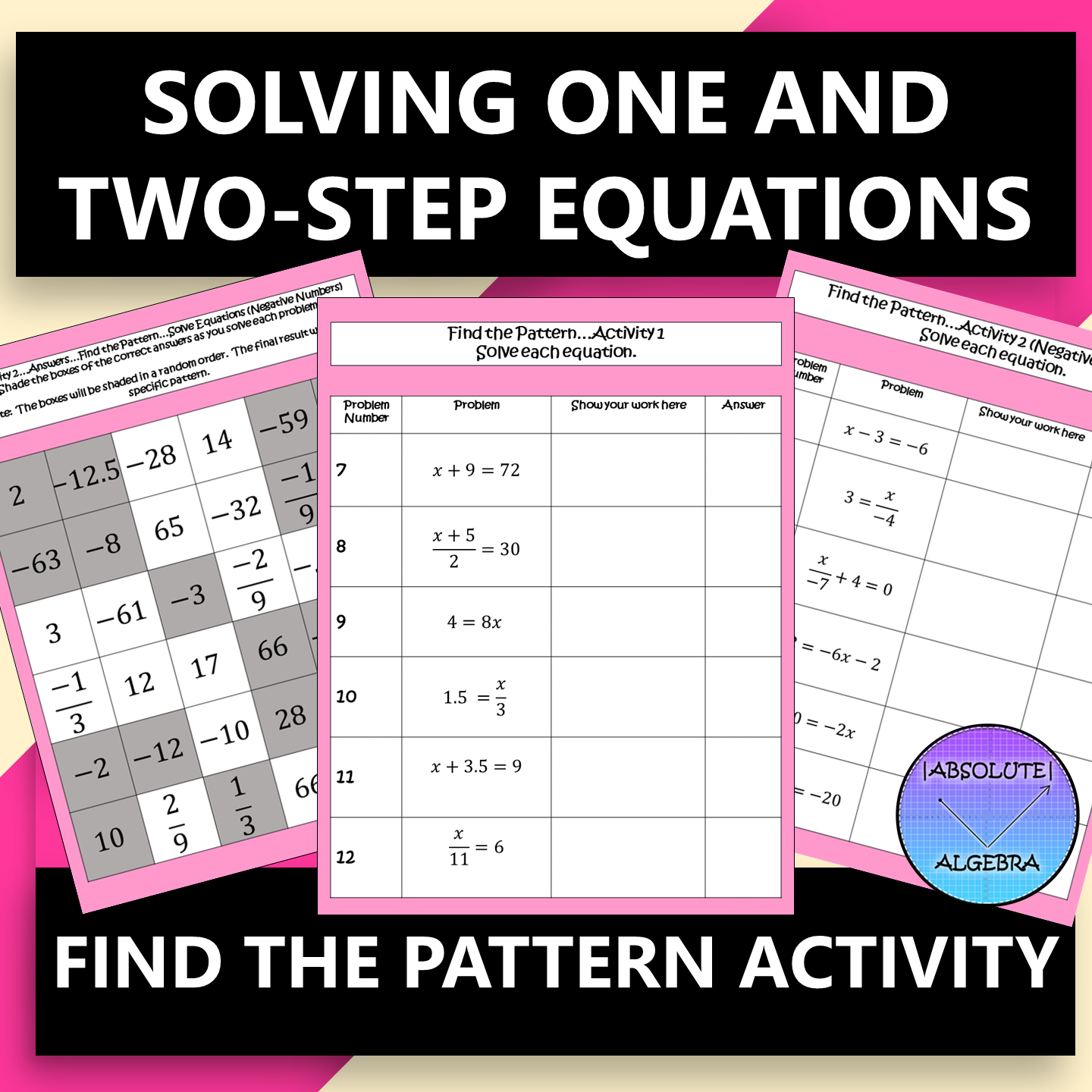


Understanding One Step Equations
Solving one step and two step equations is a fundamental concept in mathematics that can be challenging for many students. However, with practice and the right approach, anyone can master these types of equations. In this article, we will provide you with a comprehensive guide on how to solve one step and two step equations worksheets, making it easier for you to tackle math problems with confidence.
To start solving one step equations, you need to understand the concept of inverse operations. Inverse operations are opposite operations that cancel each other out. For example, addition and subtraction are inverse operations, as are multiplication and division. By applying inverse operations, you can isolate the variable and solve the equation. For instance, if you have the equation 2x = 6, you can divide both sides by 2 to solve for x.
Tackling Two Step Equations
One step equations are simple equations that can be solved in one step. These equations usually involve one operation, such as addition, subtraction, multiplication, or division. To solve one step equations, you need to apply the inverse operation to isolate the variable. For example, if you have the equation x + 3 = 7, you can subtract 3 from both sides to solve for x. On the other hand, two step equations are more complex and require two steps to solve. These equations usually involve two operations, such as addition and multiplication or subtraction and division.
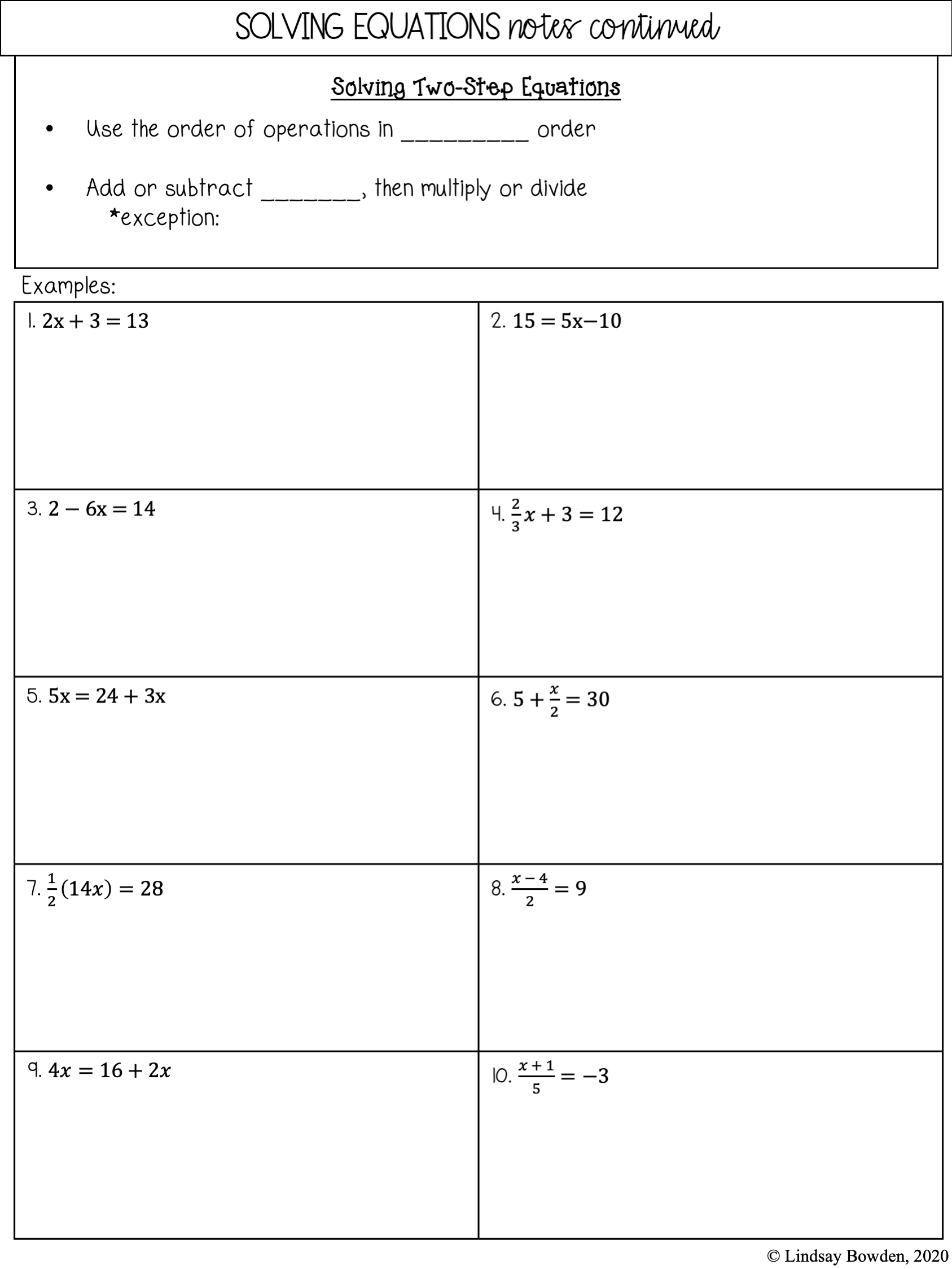
Two step equations require more work to solve than one step equations. To solve two step equations, you need to apply the order of operations (PEMDAS) and use inverse operations to isolate the variable. For example, if you have the equation 2x + 5 = 11, you can subtract 5 from both sides and then divide both sides by 2 to solve for x. With practice and patience, you can become proficient in solving one step and two step equations worksheets, making it easier to tackle more complex math problems.