Weight Conversion Charts: A Comprehensive Guide
Understanding Weight Units
Weight conversion charts are essential tools for anyone who needs to convert weights from one unit to another. Whether you're a chef, a scientist, or a student, being able to convert weights accurately is crucial. In this article, we'll explore the different units of weight, how to use weight conversion charts, and provide you with some helpful tips and tricks.
There are several units of weight, including pounds, ounces, grams, and kilograms. Each unit has its own set of conversion factors, which can be confusing if you're not familiar with them. For example, 1 pound is equal to 16 ounces, while 1 kilogram is equal to 1000 grams. Understanding these conversion factors is key to using weight conversion charts effectively.
Using Weight Conversion Charts
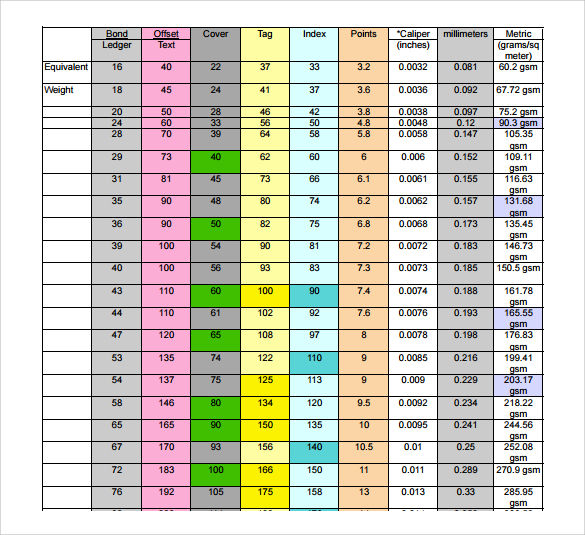
To use weight conversion charts, you need to understand the different units of weight and how they relate to each other. A weight conversion chart typically lists the different units of weight in a table or graph, along with their conversion factors. For example, a chart might list the number of grams in a pound, or the number of ounces in a kilogram. By using these charts, you can quickly and easily convert weights from one unit to another.
Weight conversion charts are widely available online and in print. You can find them in cookbooks, science textbooks, and even on mobile apps. To use a weight conversion chart, simply find the unit of weight you want to convert from, and then look up the equivalent weight in the unit you want to convert to. For example, if you want to convert 10 pounds to kilograms, you would look up the number of kilograms in 10 pounds on the chart. With a little practice, you'll be converting weights like a pro in no time.